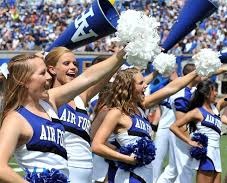
Level 1

Level one teams have certain requirements in tumbling and stunting. It is the lowest/beginning level in competition cheerleading.

Tumbling Requirements:

  • forwards and backwards rolls
  • cartwheels
  • round-offs
  • front and back walkovers

Specialty skills for this level include back walkover switch legs, tick-tocks, and front handsprings.

Cheer Geelong shows many level 1 tumbling skills that can be acquired.

Stunting Requirements:

  • Stunts are usually done at or below shoulder height (tossing is not allowed)
  • Example stunts included are a connected extension, tick-tock at belly level, and a cradle.
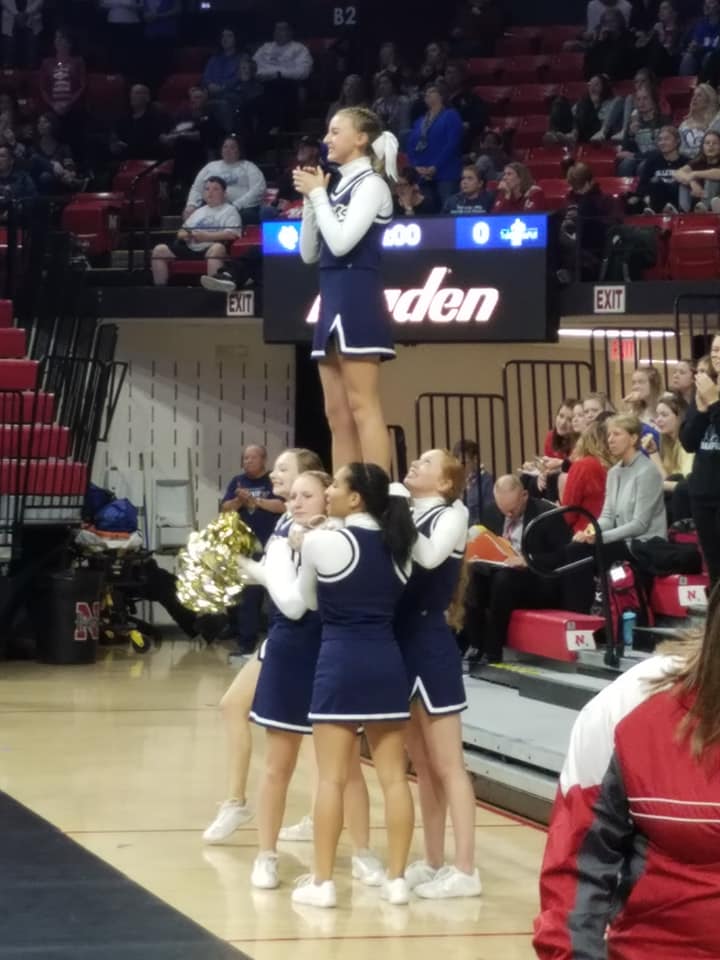
Lincoln Lutheran cheerleaders show a two leg prep stunt.

*All divisions are able to compete as level one teams (tiny, mini, youth, junior, senior).
Social Officers

Social officers are in charge of social media and social aspects of cheerleading. They will post game themes and important announcements on the team’s social media. They also plan team bonding events and gatherings to build team unity. Social officers may also be involved in showing kindness to other cheer teams. This can include making gift bags for the opposing team’s cheerleaders or inviting them to a “get to know you” game or activity during a game.

Brooke Noelle gives a tutorial for good luck pins.

The tutorial above shows how to make good luck pins. These pins can be put on other team’s cheer bags to wish them luck and show kindness!

Spirit Officers

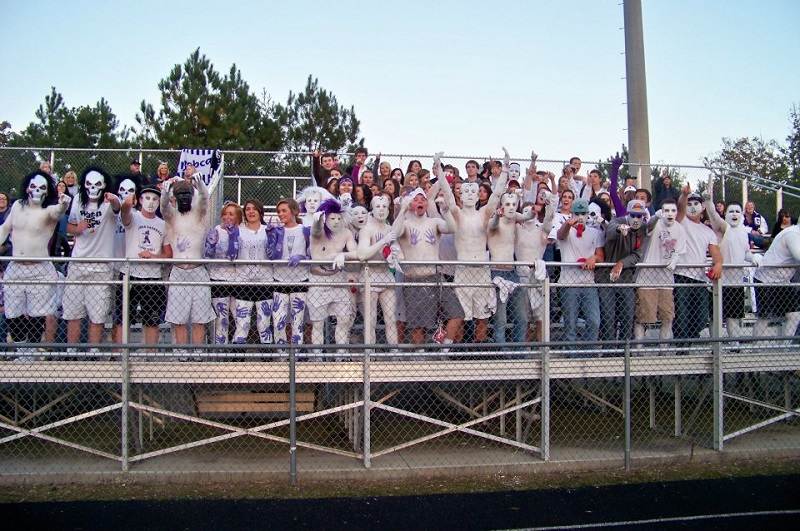
Spirit officers are in charge of getting students involved in school spirit. They make posters or signs to hang up around the school on game days to get people excited and to support the teams. They will also make locker signs for all athletes and door signs or yard signs for any athletes that make it to state events.

Osubuck fan captures high school student section.

Spirit officers are also in charge of picking the game theme and encouraging students to get involved. This could be by offering prizes or candy for the student most dressed up. Spirit officers also play a large role in the planning of pep rallies. They will help the captain decide on cheers, games, and ways to encourage school spirit.

Captains

The captains are usually people who’ve been on the team for more than one year, and they are also usually seniors. Captains are involved in practices, games, and school events. At practices, their duties include teaching new athletes cheers, deciding coordinating practice wear (if necessary), and spreading positivity.

Amber Baillie: Academy cheerleaders yell loud and encourage their team.

For games, a captain will decide on the outfit, call cheers, and lead warm ups. The captain is responsible for knowing whether the team is on offense or defense so the correct cheer is called. The captain of the team will also play a large role in planning pep rallies.